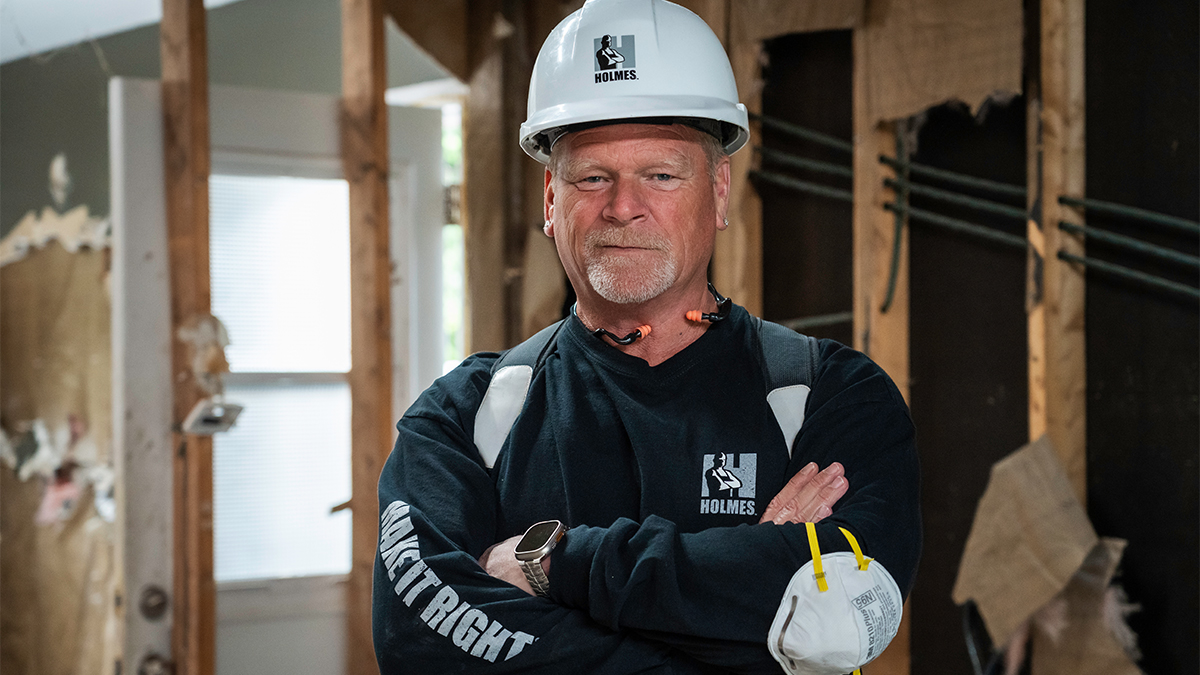
Everyone has their favorite home renovation show. But the reality is more challenging and complex than one dramatic demo and reveal. Construction veteran Mike Holmes breaks down his building philosophy of “doing the job right” the first time.
What does “doing the job right” mean to you today, and has that definition changed over the course of your career?
From the very beginning of my career, “doing the job right” has always meant doing it right the first time. That means never cutting corners, never settling for the minimum, and always looking beyond code requirements to build something that is safe, durable, and built to last. That philosophy hasn’t changed throughout my career.
What has changed is the industry’s understanding of building science, safety, energy efficiency, and indoor air quality. We’re building smarter today, and that’s a good thing. The challenge is that updating building codes and implementing and enforcing them across different regions takes time.
That’s why homeowner education is so important to me. I don’t expect homeowners to know everything, but I do believe they should understand the process, ask questions, and know what quality work looks like. An informed homeowner is better equipped to make good decisions, hire the right professionals, and avoid costly mistakes.
What project has challenged you the most, and what did it teach you?
Over my 40 years in construction, it’s hard to pick just one project because every job teaches you something. The most challenging projects are usually the ones where we uncover problem after problem hidden behind walls, floors, and ceilings. What starts as a simple repair can turn into a complete rebuild.
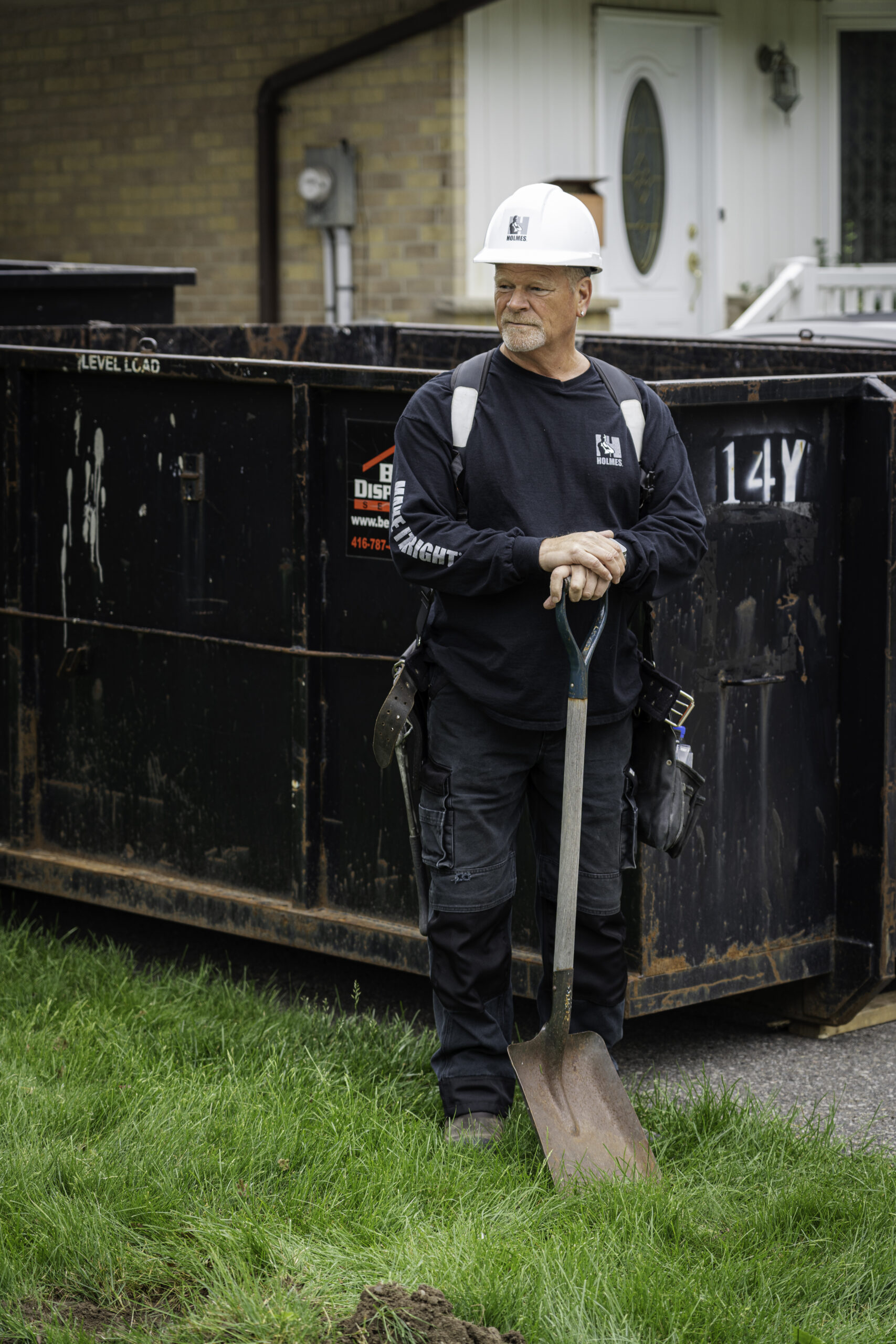
Those experiences taught me to expect the unexpected, never make assumptions, and always investigate the root cause of an issue. They also reinforced something I’ve believed my entire career: Shortcuts always catch up with you. If you want a home to be safe, durable, and healthy, you have to do it right the first time.
How do you think pride in your work influences the quality of what you build — and the satisfaction you get from your career?
Having pride in your work is one of the best things about my job! I love working with my hands, and seeing the results of a long day of work. How many people get to drive down the street and say, “I helped renovate that home so it’s functionable for the whole family,” or “I helped make that foundation waterproof so it won’t flood again?” Not many, but that’s what a large part of the skilled trades are about — without the electricians, plumbers, architects, builders, engineers, welders, carpenters, heavy transport, or equipment we would not have the towns, cities, and infrastructure that we do.
How has technology changed the way skilled tradespeople approach their work, and what parts of the job do you think will always rely on human expertise?
I’m old school, but I’ve always believed in using better tools and better technology when it helps us do a better job.
Technology has changed the skilled trades in a big way. We’re seeing everything from advanced tools and building science software to drones, AI, and virtual reality training. VR really impresses me, and it’s becoming an important part of skilled trades education. It allows students and apprentices to gain hands-on experience in a safe, controlled environment. Imagine learning to work at heights before ever stepping onto a high-rise construction site or practicing welding techniques before picking up a real welding gun. That kind of training builds confidence, improves safety, and helps people develop skills faster.
But no matter how advanced technology becomes, there are parts of the job that will always rely on human expertise. Technology can provide information, but it can’t replace experience, critical thinking, craftsmanship, or good judgment.
What responsibility do experienced tradespeople have in shaping the future of the industry?
Experienced tradespeople have a huge responsibility when it comes to shaping the future of our industry — and that’s mentoring. I know firsthand how meaningful mentorship is. I’ve been a mentor to my own kids, and now it’s incredible to see them stepping up and mentoring others.
Organizations like Skills Canada, SkillUSA, and so many others thrive because of dedicated volunteers, mentors, teachers, and industry professionals who give their time to help young people succeed. By leading by example, sharing knowledge, and passing on pride in workmanship, experienced tradespeople help ensure the next generation has the skills, confidence, and values needed for long-term success.
What do you think is the biggest opportunity to raise the standard of construction today?
The biggest opportunity to raise the standard of construction today is education, accountability, and inspiring the next generation. We need better training for skilled trades, stronger oversight, and a commitment to doing the job right — not just doing it fast or cheap. Building codes set the minimum standard, but homeowners deserve more than the minimum. When builders invest in quality workmanship, proper materials, and ongoing training, everyone benefits.
