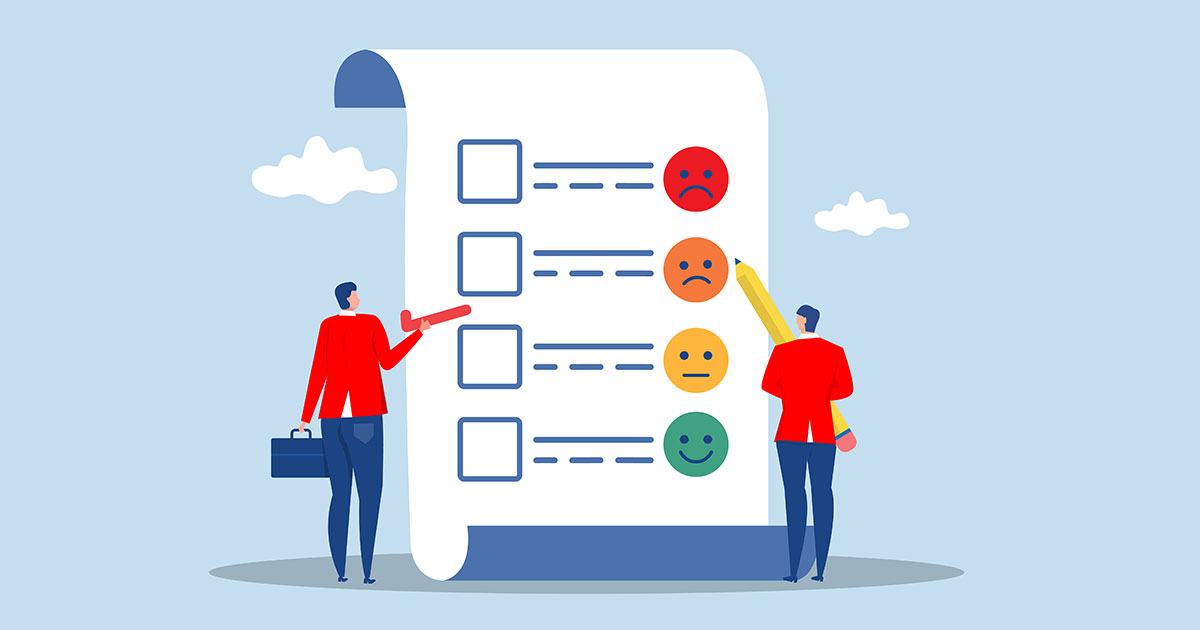
Discontent and disengagement negatively affect both employees and organizations. Top employers do not speculate about the employee experience; they gather data and act on it.

Suzi Craig
Vice President of Workplace Mental Health, Mental Health America
This year, 410 employers received top recognition from Mental Health America’s Bell Seal for Workplace Mental Health award program. These employers represented 22 industries, came in all sizes, and had a collective reach of 4.19 million employees. How these employers engage and support employees is as diverse as the organizations themselves, but they all have one important thing in common: They do not make a guessing game out of their wellness strategy.
Rather than speculating or assuming they know the employee experience, top employers gather data and then act on it. Drawing on best practices from this year’s Bell Seal recipients, the following tips can help employers center employee-sourced data to improve their workplace wellness programs.
Reflect on where you are
Take a moment to review your organization’s history, attitudes, processes, and past attempts to gather feedback. If your organization is not currently requesting employee feedback, why not? Will input be listened to and acted on? If not, hold off on gathering employee feedback for now. Explain why feedback is important and how creating a psychologically safe environment improves the employee experience.
Clarify the purpose upfront
Timing is everything, and context matters. Consider the needs of the organization, its leadership, and its employees. A benchmarking survey that charts the impact of targeted interventions over time serves a different purpose than a one-off survey designed to address a specific situation. Discuss which investments are possible within the current budget before gathering feedback, or if you are gathering ideas to inform spending, be clear about how the employee data will inform the decision-making process.
Create an implementation plan
Who will own this effort and see it through? Some employers want HR to be accountable for building an effective feedback loop. Others deploy an employee wellness committee or employee resource group to drive this work. In both scenarios, employers might choose to outsource employee feedback gathering to prioritize anonymity. Whoever is accountable, ensure that they do their homework and project-manage all the moving parts.
Communicate throughout the process
Strong communication creates an environment based on trust and transparency, and increases employee engagement. Gathering feedback without communicating next steps may cause more harm than good. Employees can handle difficult news if it is handled with thought and care. Mistrust is most likely to grow in the absence of communication.
Integrate evidence-based practices
For help understanding best practices for employee wellness surveys, start with this free resource from Mental Health America. You can also download our Workplace Mental Health in 2026: Trends and Best Practices of Top Employers report, which highlights specific examples of how different organizations identified and addressed workplace challenges.
Overall, leadership’s willingness to hear hard things needs to be real, and action is everything. It is perfectly acceptable to gather feedback to address some immediate challenges while acknowledging that a long-term plan does not yet exist. Leadership will build trust by taking a strategic approach, setting the right expectations, communicating effectively, and always aiming to co-create solutions that truly reflect your organization’s needs and the moment.
