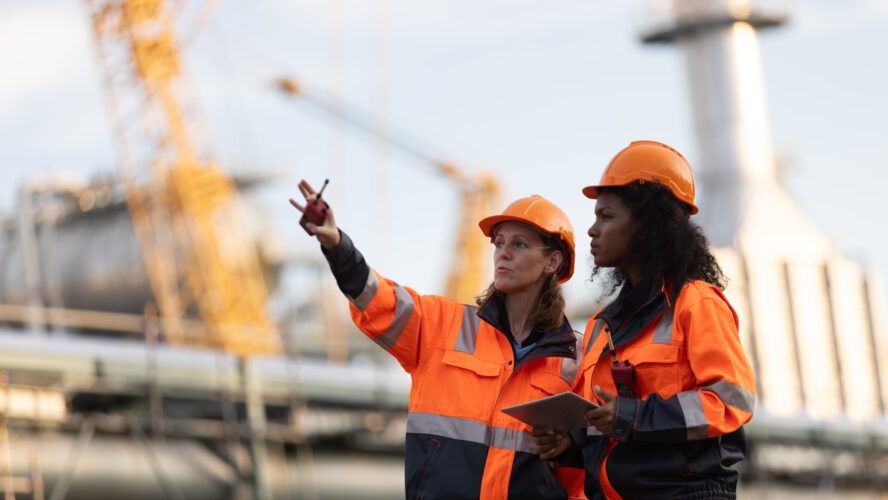
Retaining women in construction requires inclusive communities, strong representation, and industry-wide support to close gaps and ensure long-term growth.

Sheronda L. Carr
CEO, National Association of Women in Construction
With over two decades dedicated to advancing women in the built environment, I have observed notable progress alongside ongoing challenges within the construction industry. The skilled labor shortage amplifies the urgency of attracting and retaining women. However, true sustainability depends on more than recruitment; it requires cultivating inclusive communities that span all sectors of the industry. Addressing these issues calls for collective advocacy rooted in representation and inclusion, emphasizing that women are essential to the sector’s long-term success.
Organizations like the National Association of Women in Construction (NAWIC) excel at fostering a vibrant, diverse community that includes tradeswomen, general contractors, tool and equipment providers, technology firms, electrical contractors, and other stakeholders. This interconnected ecosystem is crucial for retaining women and creating a supportive environment that promotes growth across industry segments.
My first NAWIC conference, held in August, marked its 70th anniversary. Witnessing firsthand the organization’s impact underscored the strength of industry support. I heard inspiring stories of women taking on new roles that haven’t traditionally been explored or designed for women, combating unsafe work conditions, overcoming systemic biases, and creating new paths for others to follow. Through insights from thought leaders and grassroots members, these women gained strategies to build resilience and confidence. The energy and solidarity I experienced as a woman and minority in this industry reinforced the importance of community-driven advocacy, especially as I assume my role as CEO of NAWIC.
Building inclusive construction communities
While progress in retaining women has been steady, it remains insufficient. Increased representation and deeper community support are critical. Industry associations must provide platforms to address physical and psychological safety concerns and barriers that impede success. When women see their peers thriving, particularly in leadership positions, they envision attainable, long-term careers in the construction industry. Visibility fosters confidence and encourages more women to enter and stay in the field.
Advancements in technology and AI present promising new pathways for women, both in trades and behind-the-scenes design roles, offering innovative opportunities for leadership and growth that were once inaccessible. Representation is more than just numbers; it’s about fostering a culture that values diverse perspectives. When women observe others like themselves succeeding, engagement and loyalty strengthen. I am reminded of NAWIC President Rita Brown saying, “To ensure industry sustainability, we must shift from merely attracting talent to cultivating an ecosystem where women are authentically and actively supported, valued, and promoted.”
This effort is vital to safeguarding our infrastructure, economy, and national future. Without increased retention of women in the construction industry, the talent and skills gap will threaten our capacity to build safely, efficiently, and innovatively. Supporting women through community and representation is not only a matter of fairness but also essential for sustaining economic resilience.
