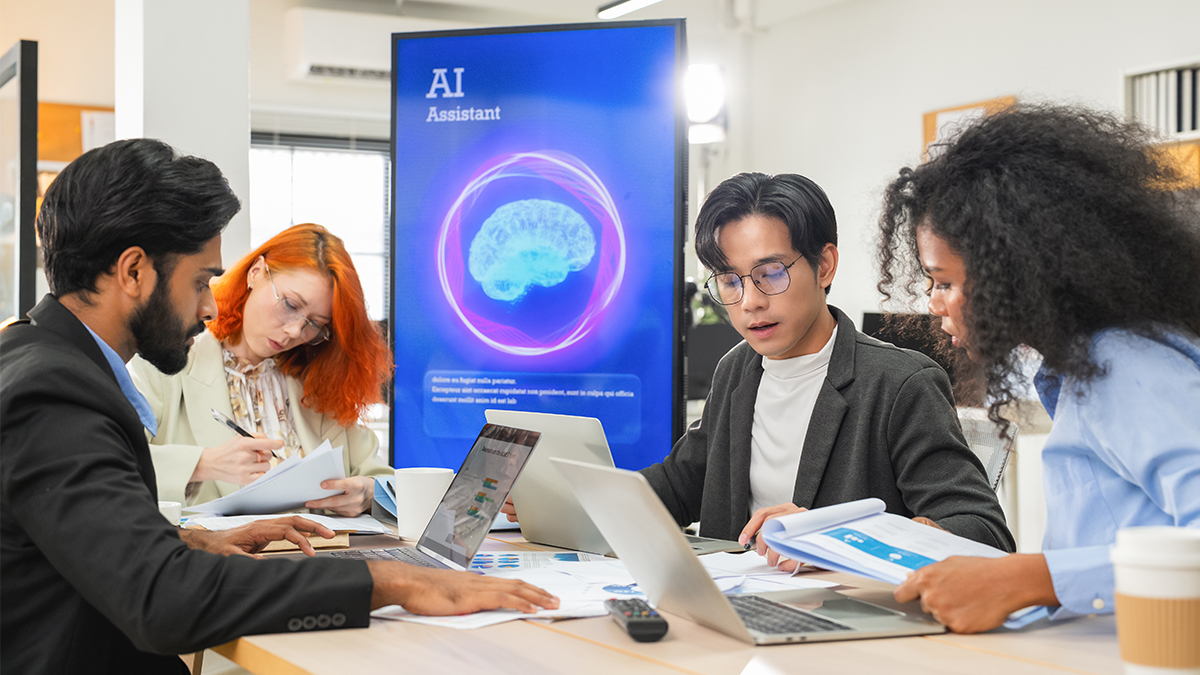
Successfully harnessing AI in the workspace opens opportunities for growth and innovation. Professionals can future-proof their careers by applying AI knowledge in their specific fields.

Jamie Norton, CISA, CISM, CGEIT, CISSP, CIPM, FGIA
Vice Chair, ISACA Board
As artificial intelligence continues to dominate headlines and occupy boardroom discussions, there is a real sense of urgency in organizations striving to stay ahead of the curve. Rapid advancements in AI technology are pushing companies to innovate or risk falling behind. However, these same advancements are creating massive challenges for cybersecurity practitioners around protecting sensitive data, systems, and networks from the ever-growing threat environment.
It can feel like AI has been a central force on the corporate landscape for longer than is the reality. In the grand scheme, this AI explosion has been quite recent, and most practitioners in cybersecurity and related IT professions entered their field before AI began recalibrating many roles and responsibilities. That means there are gaps that need to be swiftly filled to ensure the current workforce is equipped to succeed in this fast-changing landscape.
AI-focused training
ISACA’s 2025 AI Pulse Poll showed that 89% of digital trust professionals believe they’ll need AI training within two years to advance their careers or even simply stay in their roles. Professionals in digital trust disciplines such as cybersecurity, risk management, and IT audit need to understand both how AI can expand the threat landscape, making their roles more challenging, yet also be applied in their roles to make them more efficient and effective.
Fortunately, there are many avenues through which practitioners can layer AI knowledge into their existing skillsets. AI-focused professional certifications, particularly with a focus on how AI applies to specific fields such as information security, risk, or IT audit, are among the more substantial ways professionals can demonstrate their commitment to excelling in heavily AI-influenced professions. Beyond certifications, lower-investment upskilling opportunities are available through AI-focused training courses, webinars, conference sessions, and a range of other professional development opportunities — many of which companies will sponsor for their employees. By proactively pursuing these learning opportunities, professionals can simultaneously sharpen their professional development while better positioning their organizations to capitalize on AI-fueled innovation and mitigate AI risks.
Debunking AI fatigue
As much as the phrase “AI fatigue” has entered the business lexicon, AI has only factored heavily into business models and operational processes for a short time, leaving much of the workforce playing catch-up in understanding this powerful technology’s risks and opportunities. Successfully harnessing AI will require professionals viewing this era not with fatigue or indifference but as an opportunity for meaningful growth and innovation. By gaining expertise in how AI is being applied in their specific field of interest and investing in ongoing professional development, professionals can future-proof their careers and position their organizations to succeed in this era of volatility and rapid change.
