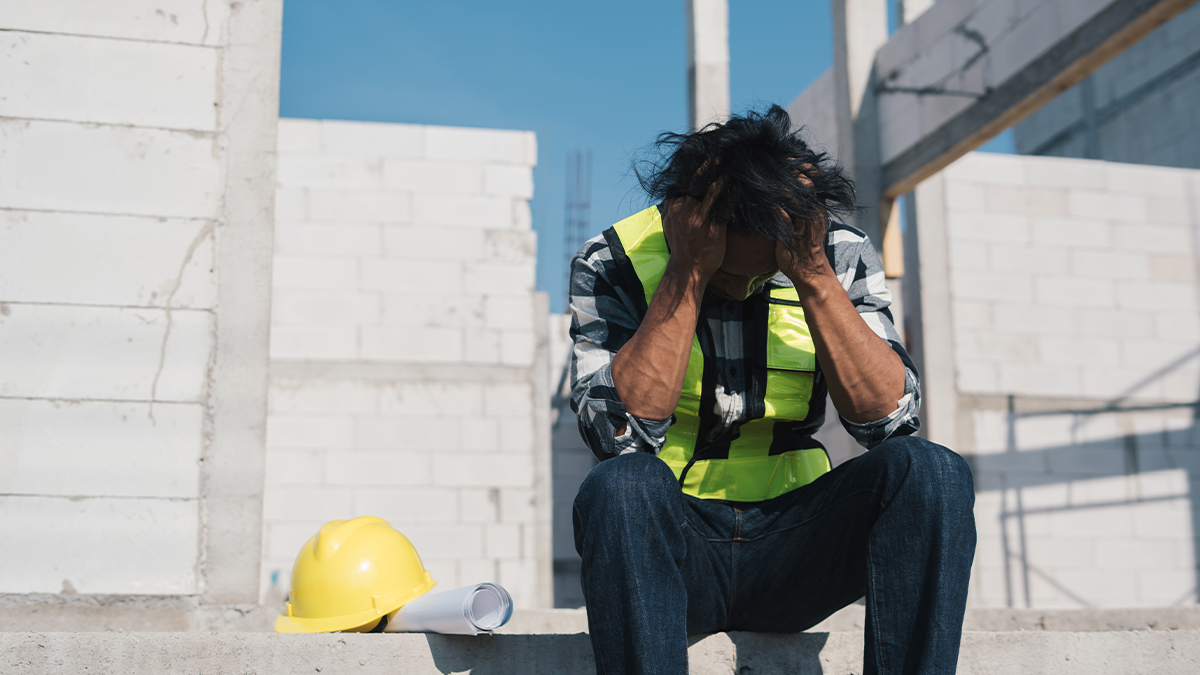
The grueling demands of construction work can add to the stigma to stay tough. When workers are honest about their need for support and intervention, the likelihood of suicide decreseas.

Sonya Bohmann
Executive Director, The Construction Industry Alliance for Suicide Prevention

Cal Beyer, CWP, NAC
Sr. Director of SAFE Workplaces, SAFE Project
Hope is not a soft concept. It is a practical, evidence-supported tool that saves lives. In an industry where toughness is often valued above vulnerability, messages of hope create the permission, space, and courage for workers to seek help and support one another.
Construction work is demanding in every sense. Physically, it pushes the body to its limits. Economically, it is tied to fluctuating markets, seasonal layoffs, and job insecurity. Culturally, it has long been shaped by a “tough it out” mentality that discourages emotional expression. Many workers spend long hours away from home, working in hazardous environments where mistakes can be fatal. Add in the pressures of injuries and chronic pain, substance use risks, and the stigma surrounding mental health and addiction, and it becomes clear why the industry faces such alarming suicide and overdose statistics.
Honesty breaks barriers
Stigma is one of the most persistent obstacles in suicide and substance use prevention. Many workers believe that mental health and addiction challenges are a sign of weakness or personal failure. This belief is not only untrue but harmful. Mental health struggles are common, treatable, and often temporary — especially when addressed early. Healing and recovery are possible.
Messages of hope counter stigma by emphasizing recovery, resilience, and the reality that many people experience mental health and substance use challenges and go on to live fulfilling lives. When workers hear that others have struggled and found support, it reduces shame. When they hear that reaching out is a sign of strength, it changes the narrative. When they hear that help is available and effective, it increases the likelihood that they will seek it.
When hope becomes part of the culture, it becomes easier for workers to step in when someone is struggling. It becomes easier to ask, “Are you okay?” It becomes easier to say, “I’m here for you.” These small moments of connection can be life-saving.
Healing through hope
Hope is what motivates action. Awareness alone does not change outcomes. Turning hope into action does. Hope normalizes conversation. It shifts the culture from one of quiet suffering to one of shared strength.
Construction has a culture that often rewards stoicism. Hope becomes a counterweight to silence. It gives workers permission to acknowledge their humanity. It reframes vulnerability as courage. It reminds them that asking for help is not a burden but a step toward healing.
For more information and resources please go to www.preventconstructionsuicide.com and SAFE Project – Stop the Addiction Fatality Epidemic.
