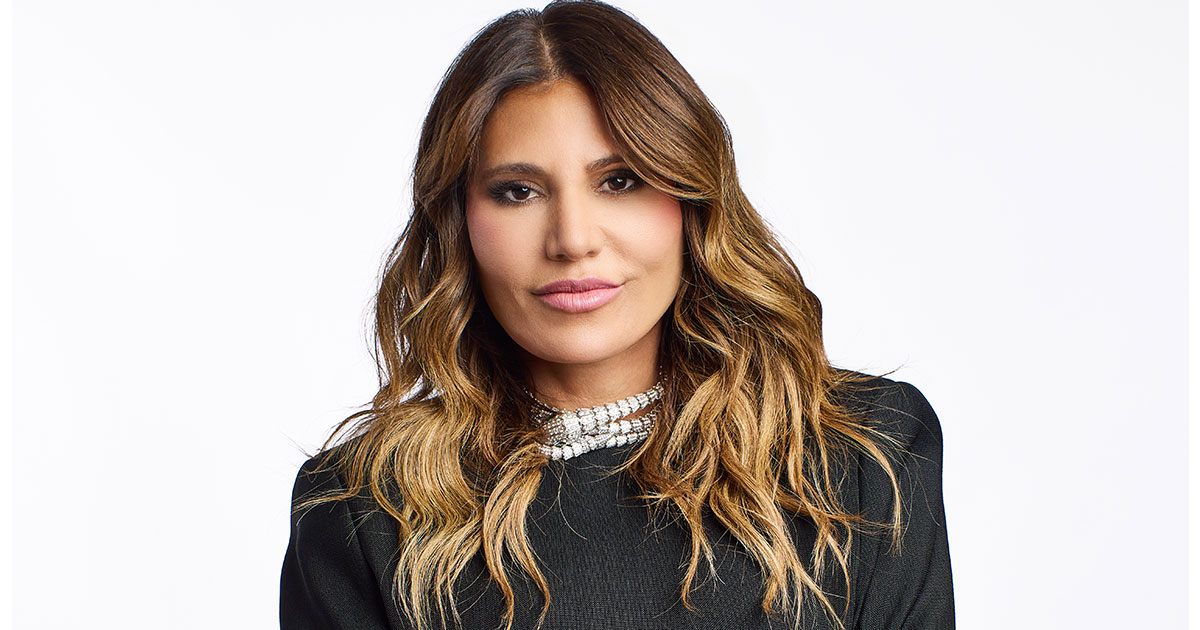
Entrepreneur and best-selling author Loren Ridinger reflects on leading a global business and mentoring women entrepreneurs.
What has building and leading a global business taught you about creating and sustaining financial independence?
Independence isn’t something you’re given, wealthy or otherwise. You need to have a mindset of creating instead of simply reacting. Too many people are focused on obstacles or rely on just one stream, one idea, or one moment. You have to create systems that scale and decisions that compound over time. The real shift happens when you stop thinking about income and start thinking about ownership.
How do you approach financial decision-making when you’re responsible for both growth and long-term stability?
You can’t grow recklessly, and you can’t lead scared. The discipline is knowing when to push and when to protect. Everyone wants to be first in innovation, but real strength is in ensuring people are put first. Every decision I make is filtered through one question: Does this move us forward without putting the foundation at risk? Growth is exciting, but sustainability is what keeps you in the game.
What does it take to confidently take ownership of major financial responsibilities within a business?
You don’t wait until you feel ready. You decide that you are. Confidence in financial leadership comes from being in it, not observing it. You learn the numbers and research, you ask better questions, you trust you’ve picked the right people to give you real answers, and you trust yourself to make the final call. At some point, you stop second-guessing and start owning the outcome.
What do you see as the biggest gaps in how women are taught to think about money and financial leadership?
Women are so often taught to protect money, not multiply it — to be careful, not powerful. That mindset keeps too many women playing small in the very rooms they should be leading. The gap isn’t about our capacity; it’s about our conditioning, and it’s time we outgrow it.
The most gratifying part of the past 30+ years for me has been helping other women own their voice and financial future. We need to claim the space, open the doors wider, and lift each other higher when we rise.
What habits or practices have been most important in helping you scale both your business and your financial vision over time?
Most people don’t scale because they’re too attached to what used to work. If you want to grow, never get hung up on ego or cling to a mistake you made simply because you spent a lot of time making it. I’ve learned to stay obsessed with the details, to evolve fast, and to never let emotion override the numbers. Discipline isn’t optional; it’s the difference between staying relevant and getting left behind. If you want to grow, you have to be willing to change before the market forces you to.
What advice would you give to women who want to move from participating in finance to actually leading financial strategy and decision-making?
Stop waiting for permission, and start positioning yourself as the decision-maker. Learn how money moves through your business, speak up, and take responsibility. Change doesn’t happen when you’re comfortable, and it doesn’t happen when you’re focused on the fear rather than acting in spite of it. The shift happens when you stop asking to be included and start showing that you belong there. Leadership isn’t assigned; it’s claimed.
