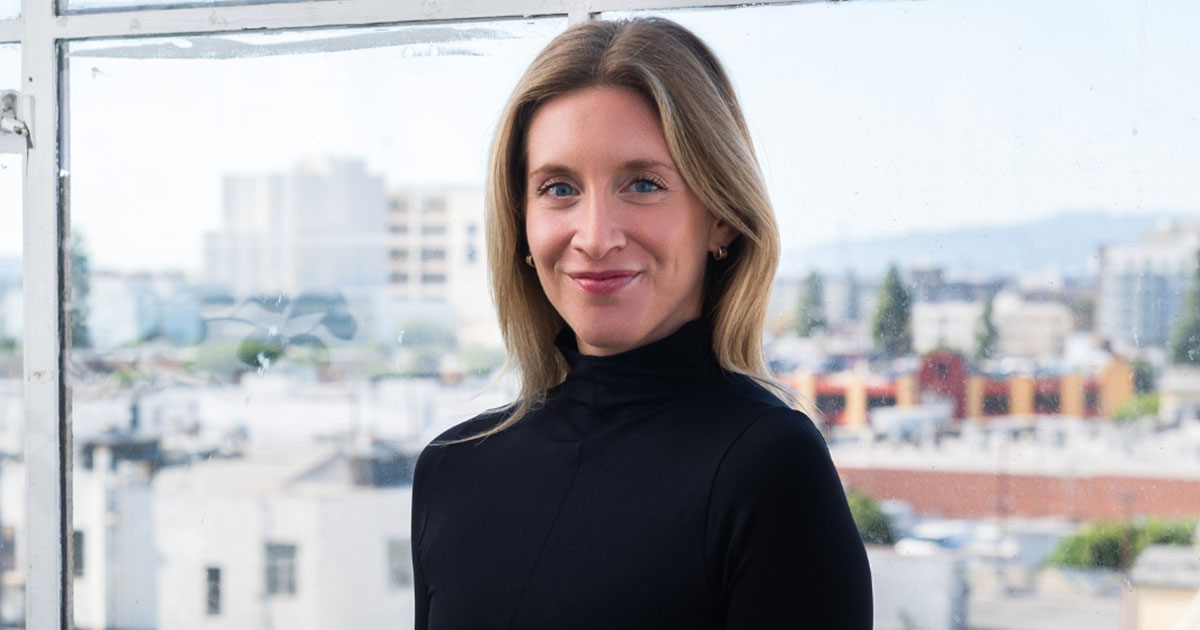

Michela Allocca, a finance professional and educator, offers advice on how women can build financial confidence and take control of their futures.
What first drew you to the world of finance?
I have always been interested in money. I feel like my first money memory was that one year, my mom gave me a bank for Christmas that would count your coins, and I would always sell lemonade or do things at the end of my driveway to make money. Ultimately, I feel like it translated into my career choice. In college, I went in as a business major but hadn’t chosen a concentration, and I ended up choosing finance through a lot of the classes that we took. I wasn’t really doing well in marketing classes. The finance-forward classes were the ones where I always got the best grades, so it was kind of like, OK, I’ll do this.
But I will say, my true passion for finance really came after college, through learning about myself and how I was managing my money. I had never experienced making a full-time salary. It was the most money I was ever making, and I’m like, OK, what do I do with this? That’s where I started digging more into personal finance and budgeting. I realized that if I can finagle my monthly income in a certain way, it can maximize how much I can put toward savings. It gave me a sense of control during a period of time when it felt like every other aspect of my life was totally out of control.
What barriers do you think still discourage women from pursuing careers in finance?
I think the most obvious one is that it’s still a very male-dominated industry. There’s a lot of sexism. I experienced it in my own career. For the entire time I was working corporate, I only ever had male bosses. Most of my teams were mostly men. I can understand why it’s an unappealing career path when it’s associated with being surrounded by these “bro” types of guys.
I think the other layer is that it’s not really deemed a fun or interesting career path. You see so many other jobs, like marketing, communications, and tech, and they just seem sexier. You see “day in the life” content, and it all seems more balanced. Finance has been, and probably always will be, kind of an uptight industry — for a good reason, because there’s so much red tape and security — but I think both of those reasons make it less appealing, particularly to women.
What experiences shaped the way you approach talking about money today?
In my first two years after college, that’s when I was learning the most because I was curious about what my friends were making, what they were paying in rent, and how we were all figuring this out. Through those conversations, because my friend group was very open, we all knew what the other was making and what we were paying for things. It opened the door for me to realize I was interested in seeing other people’s money stories.
I don’t think it should be so taboo. I’m glad we’re moving into an era where people are talking about it more. Having an open friend group early on, and then sharing a lot of my information online, naturally opened up the conversation because I knocked the barrier down. Now I don’t publicly talk as much about my income for privacy, but in private conversations, if someone asks me, I’m usually pretty transparent.
What misconceptions about money or investing do you most often see women struggle with?
I feel like most women just assume that they’re not good with money, particularly when it comes to investing — that it’s too hard to learn and that they don’t have to. If I’ve learned anything through learning about investing on my own, it’s that it’s actually very simple. It’s just portrayed as something very complex, and if anything, it’s overcomplicated through conversation to deter people from trying to learn.
In my jobs, I noticed in client conversations that the companies would seem to overcomplicate something to justify their purpose, when really, most people can learn the basics of financial management and budgeting pretty easily. Investing can be very simple, and you don’t need to pay somebody to do it for you. It’s just accepting that you’re going to be a little uncomfortable for a few months, but it’s going to translate into something really good later on.
What role does financial confidence play in helping women pursue opportunities in finance?
I feel like financial confidence stems from career confidence. I also think that learning more about finance, learning how to invest, and learning what decisions to make with your own money is a very empowering experience. It can make you more interested in going into the field to help empower other people, whether that’s through financial content, becoming a financial advisor, or being a financial journalist.
In the traditional lens, like working in investment banking or research, I don’t necessarily know if financial confidence alone would make someone pursue that as a career. I think it’s more like, “I’m really confident in my earnings and the way my career is going, and I’m confident with how I’m managing my money, so I want to spread this knowledge in my own way.”
What conversations about money do you think women should be having more openly?
I think, aside from how much money you’re making, especially in different career paths, there should be more conversation around what your earning prospects look like, so you can make a more empowered choice.
The other layer is people being more honest about what they’re actually spending their money on. There’s a lot of deceit or shame or embarrassment, like, “Oh, I spend money on clothes, or going out, or Botox.” We should be talking about it because everybody’s doing it. There’s no reason for it to be embarrassing or shameful. If there were more conversations around how much people are truly spending in these female-forward categories, it would change how people perceive their own spending.
Sometimes you buy something and think, “Was that too much? Are other people doing this? Is this frivolous?” I think people are really curious about that, and it’s something people want to know more about.
