

Our panel of experts reflects on the pivotal moments and overlooked barriers that shaped their rise to leadership in finance.
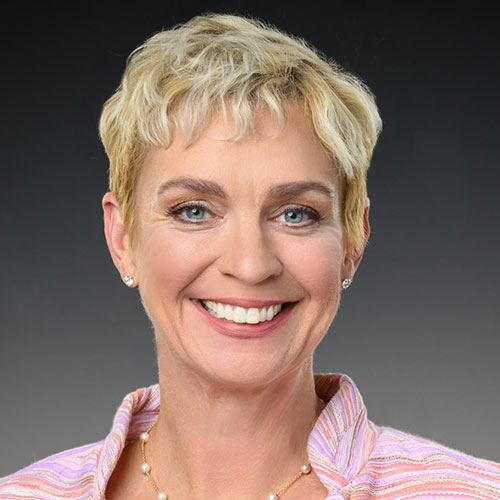
Kathleen Bilderback
Trustee, National Association of Insurance and Financial Advisors
What has been the most pivotal moment or turning point in your career, and how did it shape your path in finance?
The pivotal moment in my career was recognizing that the best outcomes for clients never come from a single discipline. Building strong, peer-level relationships with certified public accountants (CPAs), financial advisors, and other professionals transformed my work from good planning to truly strategic solutions.
What advice would you give to the next generation of women entering finance in a rapidly changing economic landscape?
Listen more than you speak. Clients know that you are smart, but they will only tell you what truly matters to them if you create space for trust. Don’t let tough days discourage you. Steady judgment, credibility, and perseverance are what ultimately define lasting success.

Tara Popernik, CFA, CFP
Executive Vice President of Wealth Planning, LPL Financial
What has been the most pivotal moment or turning point in your career, and how did it shape your path in finance?
My turning point came early in my career, working with an advisor supporting employees at a well-known technology company during their IPO. Helping clients who were suddenly holding $5–$30M in stock options realize they could reshape their entire lives — from teaching to law school to philanthropy — showed me the true impact of financial planning. It wasn’t just about money; it was about unlocking life choices. That experience cemented my path in finance as deeply purpose-driven.
What barriers do women in finance still face today that aren’t being talked about enough?
Beyond the polished narrative of a “confidence gap,” the reality is that systemic bias still exists. Progress requires more than individual resilience; it demands active allyship. Leaders, especially men, must step up as true sponsors, advocating for women in the moments that matter. My own career advancement was accelerated by sponsors who used their influence to open doors I couldn’t open on my own.
What advice would you give to the next generation of women entering finance in a rapidly changing economic landscape?
No matter how technology transforms the industry, finance will always be a relationship business. The differentiator isn’t just technical skill; it’s empathy, curiosity, and the ability to meet clients where they are. Master the human side of the business, and you’ll remain indispensable in any economic or technological environment.
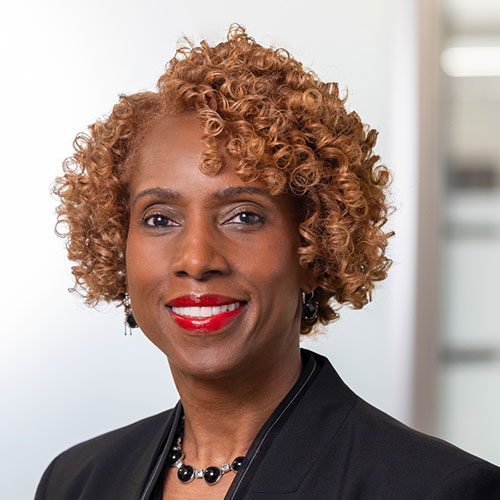
Karin Sarratt
Chief Operating Officer, OneAmerica Financial
What has been the most pivotal moment or turning point in your career, and how did it shape your path in finance?
The most pivotal moment in my career was realizing that the things that made me different were also the things that made me valuable. Early on, I spent energy fitting into a mold of what I believed a finance leader looked and sounded like. Over time, I saw that my perspective, shaped by my own unique experiences and background, allowed me to ask different questions and see risks and opportunities others didn’t. That shift changed how I showed up in the room. Instead of trying to conform, I started contributing more authentically and with more conviction and confidence. As the industry evolves and client bases become more diverse, that perspective has only become more relevant. That moment reframed my career from one of adaptation to one of ownership.
What barriers do women in finance still face today that aren’t being talked about enough?
I tend to think less in terms of specific barriers and more in terms of how we operate within them. The finance industry is constantly changing and evolving, and one of the less-discussed challenges is the expectation that you need clarity before you can act. That expectation can become a barrier itself. In reality, growth and impact come from moving forward, and even without having everything figured out, you can stay curious and find ways to adjust along the way. The most effective leaders aren’t the ones waiting for clarity; they’re the ones who create it. So, while external barriers will always exist, the more subtle one is how we respond to uncertainty. Getting comfortable operating within it means it can’t hold you back.
What advice would you give to the next generation of women entering finance in a rapidly changing economic landscape?
Don’t follow a path; build one! The pace of change in finance means technical skills will evolve, but judgment, adaptability, and curiosity will compound. Stay open to people, ideas, and opportunities. Don’t wait until you feel fully ready to take on bigger challenges — you rarely will. Seek out roles that stretch you, even if they don’t look like the obvious next step. Bet on yourself!
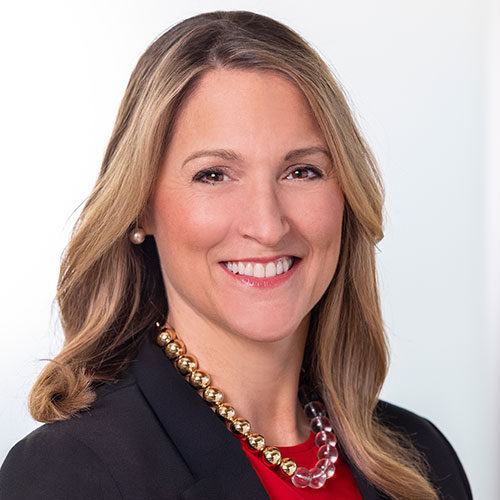
Kelley Gay
Chief Marketing Officer, OneAmerica Financial
What has been the most pivotal moment or turning point in your career, and how did it shape your path in finance?
Some of my most career-shaping moments happened long before I entered finance, during my time playing college basketball at UConn. I went from being the star player in high school to coming off the bench for the women’s NCAA national championship team, and that forced me to rethink how I defined value and contribution. I had to learn that impact isn’t always about being in the spotlight. Sometimes it’s about doing the quiet work that makes the team better, even when your role looks different from what you expected. Other times, it’s having the courage to step out of someone else’s shadow and create your own. That shift in perspective has stayed with me throughout my career. It reinforced that leadership isn’t defined by position, but by mindset — to show up with confidence, elevate others, build trust, grow continuously, and deliver impact in whatever role the moment requires.
What barriers do women in finance still face today that aren’t being talked about enough?
Throughout my 28 years in financial services marketing, I’ve seen that the biggest barriers aren’t external. Instead, it’s the voice in your head that questions whether you’re ready, whether the risk is worth it, or whether something needs to be perfect before you move; summed up, it’s the permission gap. Even in environments with strong support and opportunity, that internal hesitation can slow decisions and limit impact. I think part of leadership is recognizing and addressing that, both for yourself and your team, by creating space to take smart risks and move forward without over-indexing on doubt. When you can shift that mindset, a lot of other barriers tend to fall away.
What advice would you give to the next generation of women entering finance in a rapidly changing economic landscape?
In a constantly changing world, remember your “why” and understand your purpose. Recognize that the industry is, in many ways, catching up to you, and not the other way around. The fundamentals and industry basics will always be important, but many of the skills that will matter most going forward — e.g., adaptability, empathy, the ability to connect across complexity — are ones you may already bring. Don’t treat them as secondary to technical expertise. Build both, because knowing the world within you is just as important as understanding the world around you, and together, they’re incredibly powerful.
